
Harness the Power of Sound for Stress Relief Sound Healing

In the quiet moments when the world feels heavy, have you noticed how a simple melody or a gentle hum can soothe your spirit? Sound can reach places words cannot, inviting calm, peace, and a release of the tension we carry.
Come to the Diamond Light Center once a month, or whenever you feel called, to experience a sound healing in the company of others. Check our calendar or visit DiamondLightCenter.com to explore upcoming sound healing gatherings.
Embracing Stress Relief Sound Healing: A Gentle Journey
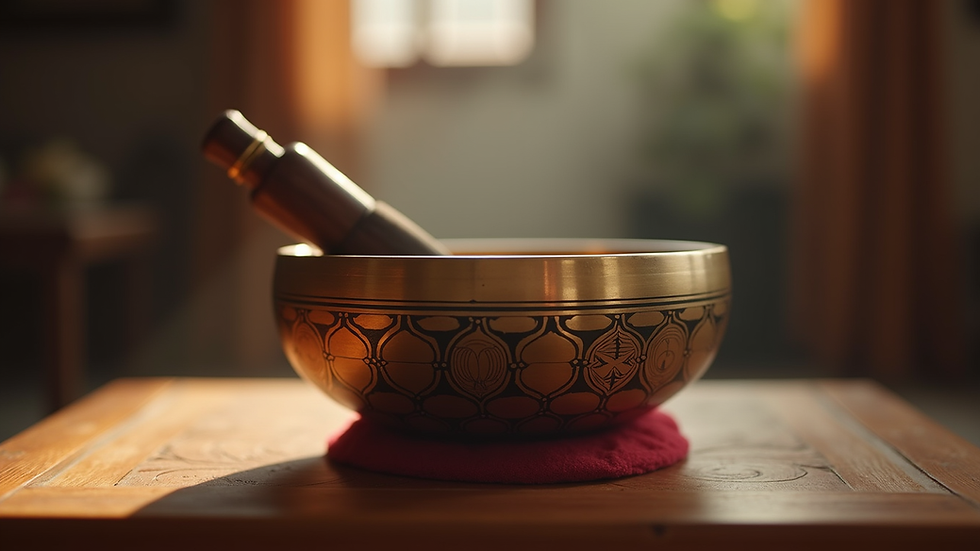
Sound healing is more than just listening to music. It is an ancient practice that uses vibrations and tones to harmonize the body, mind, and soul. When we immerse ourselves in these sounds, we create space for healing energy to flow freely. Imagine the soft ringing of a Tibetan singing bowl or the rhythmic pulse of a drum echoing through a quiet room. These sounds can help dissolve the knots of anxiety and invite a deep sense of relaxation.
The beauty of stress relief sound healing lies in its accessibility. You don’t need special skills or equipment to begin. Simply find a quiet space, close your eyes, and allow the sounds to wash over you. Whether it’s nature sounds, chanting, or instrumental music, each tone carries a vibration that can gently shift your energy.
Practical tip: Try setting aside 10 minutes each day to listen to calming sounds. Use headphones to deepen the experience and focus on your breath as you listen. Notice how your body softens and your mind quiets.
What’s the Best Way to Get Rid of Stress and Anxiety?
We all seek ways to ease the weight of stress and anxiety. While there are many approaches, sound healing offers a unique blend of simplicity and depth. The best way to get rid of stress and anxiety often involves tuning into your body’s natural rhythms and allowing sound to guide you back to balance.
One effective method is to combine deep breathing with sound immersion. Begin by inhaling slowly through your nose, filling your lungs completely. As you exhale, listen to a soothing sound—perhaps a gentle chime or the hum of a tuning fork. Repeat this cycle, letting the sound anchor your attention and calm your nervous system.
Another approach is to explore guided sound meditations. These sessions often include spoken guidance paired with healing sounds, helping you journey inward with gentle support. Over time, this practice can build resilience against stress and cultivate a peaceful inner sanctuary.
Try this: Create a playlist of your favorite calming sounds. When stress arises, retreat to a quiet corner, close your eyes, and let the sounds carry you away from tension and into tranquility.
The Science Behind Sound and Stress Relief
Have you ever wondered why certain sounds make you feel calm while others stir unease? The answer lies in how sound waves interact with our brain and body. When we hear harmonious tones, our brainwaves begin to synchronize with the rhythm, a process called entrainment. This can shift us from a state of alertness or anxiety to one of relaxation and calm.
Research shows that sound therapy can lower cortisol levels—the hormone linked to stress—and reduce heart rate and blood pressure. This physiological response helps the body move out of the fight-or-flight mode and into a state of rest and repair.
In addition, sound vibrations can stimulate the vagus nerve, a key player in the parasympathetic nervous system. Activating this nerve promotes feelings of safety and calm, making sound a powerful tool for emotional regulation.
If you’re curious to explore this further, consider trying sound therapy for stress relief to experience firsthand how sound can nurture your well-being.

How to Create Your Own Sound Healing Practice at Home
Starting a sound healing practice doesn’t require fancy instruments or a special room. It’s about creating a sacred space where you can connect with yourself through sound. Here’s a simple guide to help you begin:
Choose Your Sounds: Select sounds that resonate with you. This could be nature recordings, singing bowls, bells, or even your own voice.
Set the Scene: Find a quiet, comfortable spot. Dim the lights or light a candle to invite a peaceful atmosphere.
Focus on Your Breath: Begin with slow, deep breaths to center yourself.
Listen Mindfully: Close your eyes and immerse yourself in the sounds. Notice how each vibration feels in your body.
Allow Emotions to Flow: Sound can unlock hidden feelings. Let them come and go without judgment.
End Gently: When you’re ready, bring your awareness back to the room slowly. Stretch or journal about your experience.
Consistency is key. Even a few minutes daily can build a deep sense of calm and clarity over time.
Finding Stillness in a Noisy World
In our fast-paced lives, silence can feel rare and precious. Yet, it is within stillness that we often find the greatest healing. Sound healing invites us to slow down and listen deeply—not just to external sounds but to the whispers of our own soul.
When you embrace sound as a tool for stress relief, you open a door to a sanctuary within yourself. It’s a place where worries soften, and your true essence shines through. Remember, healing is a gentle unfolding, not a race. Be kind to yourself as you explore this path.
May the sounds you choose to surround yourself with bring you peace, insight, and a renewed sense of balance. Let each note be a gentle reminder that you are held, you are safe, and you are deeply connected to the light within.
May your journey with sound be a tender embrace, guiding you toward serenity and inner wisdom.


Comments